Best Dog Training – Don’t Eat That: Force-Free Food Avoidance Training for Dogs who Love to Scavenge Review
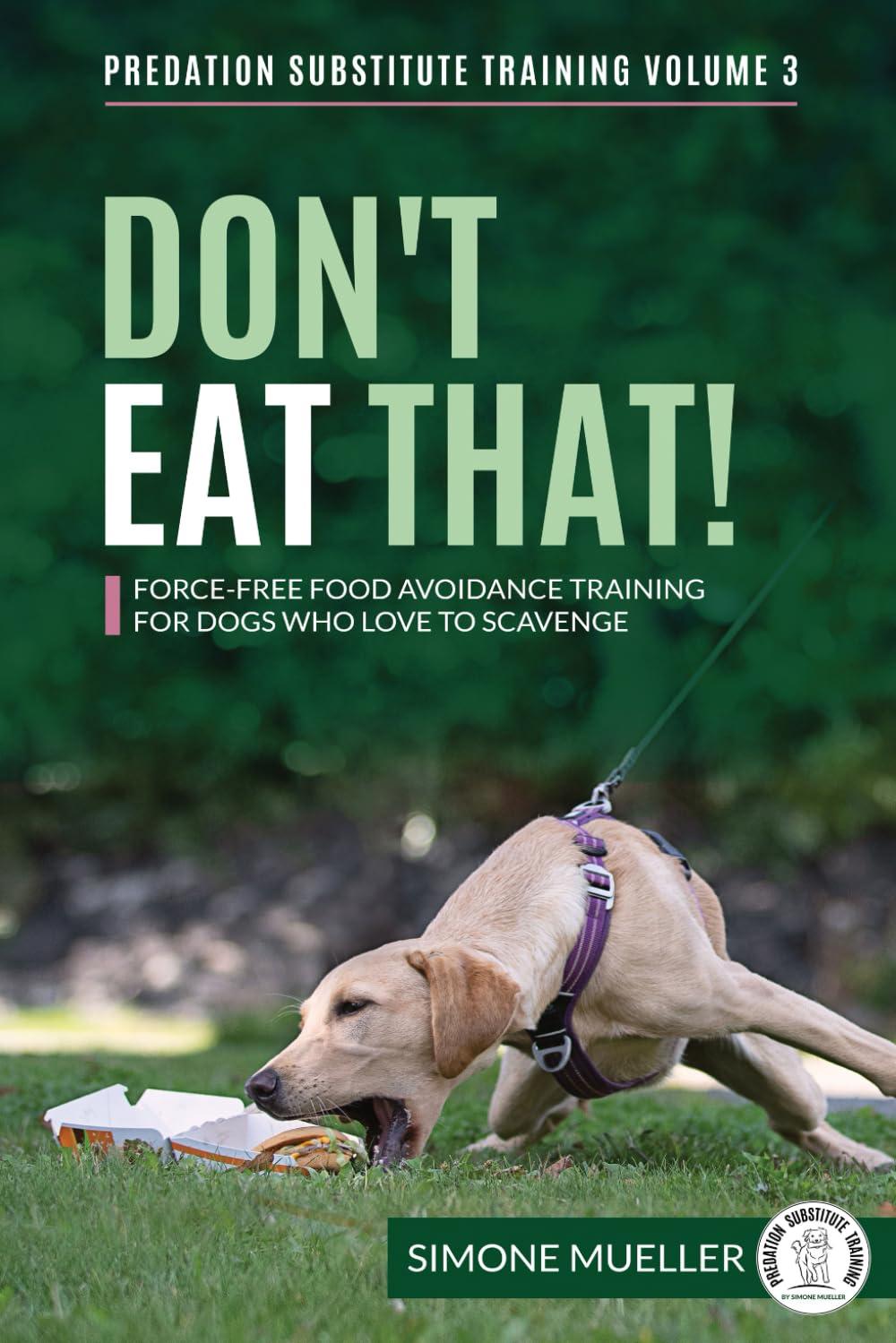
Title: A New Approach to Canine Scavenging: Reviewing “Don’t Eat That”
Living with a dog who insists on scrounging for food is a challenge that many of us know all too well. We’ve all been there-on walks that should be leisurely and enjoyable, only to find ourselves in a constant state of alert, scanning every inch of the ground for dropped snacks and discarded wrappers. Our hearts sink as we wrestle with our furry friends, prying a forgotten sandwich or a half-eaten cupcake from their eager jaws. It’s a frustrating cycle that can make even the most well-intentioned outings feel overwhelming.
Yet, what if we told you there was a better way? Enter “Don’t Eat That: force-Free Food Avoidance Training for Dogs who Love to Scavenge,” written by Simone Mueller, a certified dog trainer specializing in high prey-drive dogs.In this innovative guide, Mueller offers us understanding, support, and practical tools, allowing us to navigate our dog’s instinctual urges without resorting to punitive methods.
We decided to dive into this resource, eager to see if it could genuinely turn our chaotic walks into a more peaceful experience. This book promises to transform how we address our dogs’ eating habits, emphasizing a force-free training protocol that not only keeps our pups safe but also nurtures our bond with them. With each chapter, we found ourselves enthusiastic and hopeful, ready to explore the strategies that could help us reclaim our walks and, ultimately, our peace of mind.
Join us as we delve into the valuable insights and practical training games shared in “Don’t Eat That.” Will it be the solution we’ve been searching for, or just another dog training book? Let’s find out together!
Table of Contents
product Overview: Understanding the Essence of Force-free Food Avoidance Training
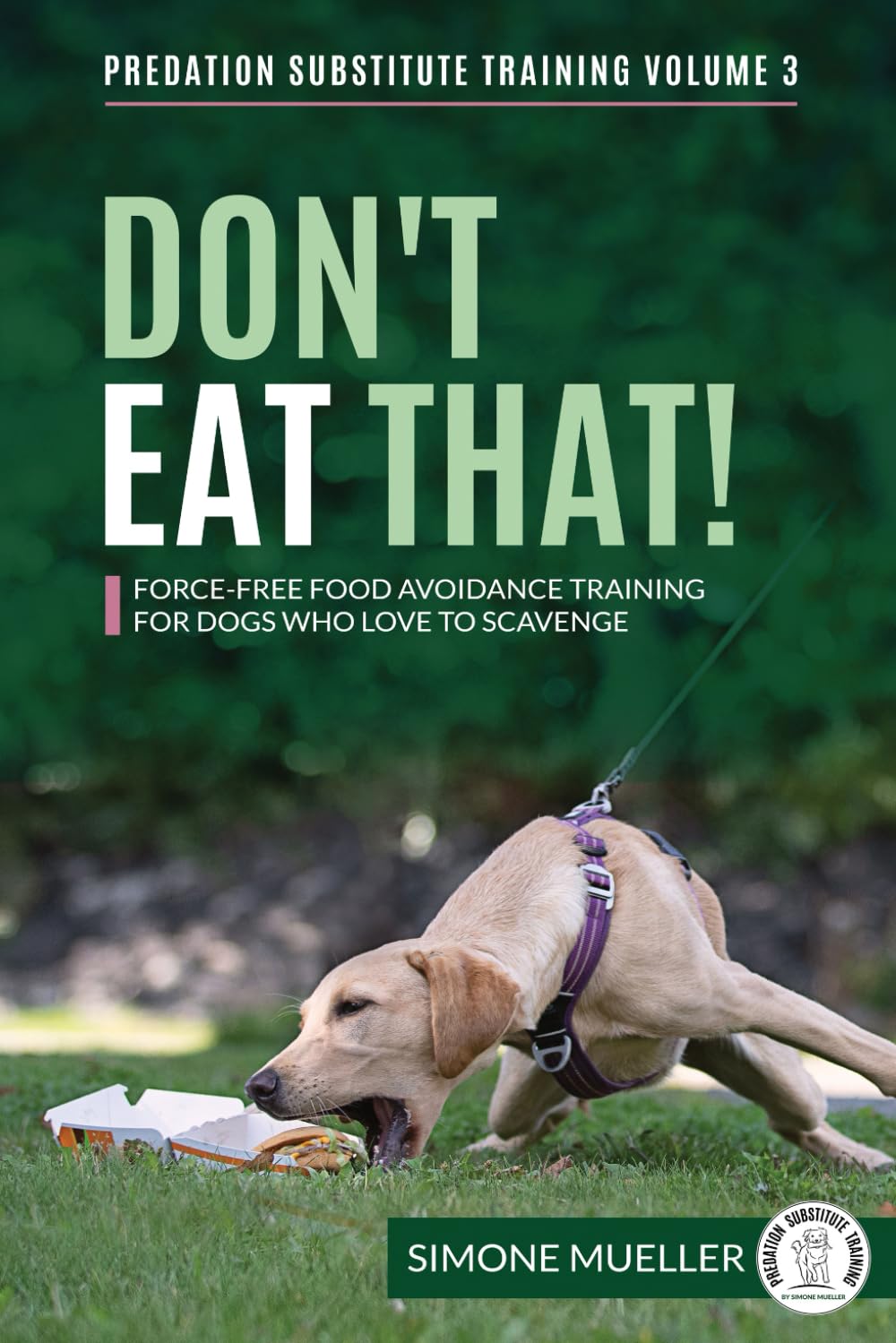
When it comes to managing a dog that loves to scavenge, it can feel like a never-ending battle. But fear not! The book offers a unique approach to this common issue. It’s centered around force-free food avoidance training, a method that prioritizes kindness and effective dialog with our furry companions. The essence of this training method lies in understanding our dogs’ natural instincts and using them to guide them towards better behavior without punishment.
With its comprehensive training protocol, this guide simplifies the task of keeping our dogs safe during walks. The book dives into the psychology behind why dogs scavenge and offers practical solutions to curb this behavior.We find reassurance knowing that the strategies shared are inclusive, meaning they work across all ages, breeds, and personal histories. There’s a breath of fresh air in learning that we can achieve results in a kind, enjoyable way that strengthens our bond with our pet.
The practical exercises outlined are not just easy to follow; they also incorporate games that keep dogs engaged and motivated. Each chapter builds upon the last, making it easy for us to implement changes progressively. We can’t help but appreciate the straightforward writing style, which is perfect for those of us who might be fatigued after a long day but still want to make the most of our training time with our dogs.
As we put these techniques into action, we start to notice that walks transform from stressful scavenging hunts into enjoyable outings. It’s empowering to learn that we can work with our dog’s instincts rather of against them. By mastering this training approach, we not only reduce the likelihood of our dogs eating harmful objects but also build a deeper, more trusting relationship with them. It becomes clear that this method is a game changer for both dog owners and their beloved pets.


Exploring Key Features: What Makes This Training Method Stand Out
When it comes to training our dogs, we frequently enough search for effective and humane methods. The approach highlighted in this book not only addresses the challenge of scavenging but does so without using harsh techniques. one of its standout features is the focus on understanding why dogs scavenge in the first place. By tapping into our furry friends’ natural instincts, we create an habitat that promotes cooperation rather than frustration, which is refreshing in today’s world of dog training.
Another remarkable aspect of this training method is the variety of engaging games included. Each game is designed not just to distract our dogs from scavenging,but to reinforce our bond with them. We found that using their natural predatory instincts as a playful training tool makes the process enjoyable for both us and our dogs. Whether it’s the “Forget It” game or other core exercises, the step-by-step instructions help us easily implement these strategies into our daily routines.
What sets this training apart is its emphasis on positive reinforcement. This method isn’t about punishing bad behavior; instead, it encourages us to appreciate and reward our dogs for making the right choices. For example, we can teach them cues that signal crucial behaviors when they encounter forbidden food items outside. By using enjoyable and interactive techniques, the training promotes a more relaxed experience during walks, shifting the focus from constant vigilance to enjoying quality time with our pets.
Additionally, we appreciate how the book addresses real-life challenges many of us face. The author provides practical solutions for situations where dogs might be tempted to scavenge.Knowing that we can intervene effectively with well-researched techniques brings peace of mind. With an approachable tone and clear illustrations, the content is presented in a way that even a busy pet owner can digest easily, which is crucial for anyone wanting to implement these strategies amid a hectic schedule.
the force-free food avoidance training methodology provides us with valuable insights into managing our dogs’ instincts. It’s about fostering a deeper connection through understanding, patience, and most importantly, mutual respect. Each feature of this training method stands out as a meaningful step towards creating a harmonious living environment with our dogs. We genuinely believe any dog owner can benefit from this resource, enhancing not only training sessions but also our everyday walks.
Our Insights: Navigating the World of Scavenging and Its Challenges
Living with a dog that loves to scour for food can be quite the adventure-one that’s frequently enough filled with both joy and a bit of chaos. With the training insights from “Don’t Eat That: Force-Free Food Avoidance Training for Dogs who Love to Scavenge (Predation Substitute Training)“, we can navigate this challenge together. This product truly stands out as a practical guide for helping our furry friends replace their scavenging habits with more acceptable behaviors, all while using positive reinforcement techniques.
one of the standout features of this book is how it offers both simple principles and effective training protocols. We’ve found that it provides a comprehensive understanding of why our dogs scavenge and how to reframe that instinct into fun activities. The “Forget It” game is a real gem! Not only does it teach our dogs to leave potentially harmful foods alone, but it also strengthens the bond we share with our pets through play. By gradually increasing the difficulty levels, all while maintaining a supportive environment, our dogs can learn to avoid scavenging without feeling punished or stressed.
As we reflect on our own experiences with dogs who have a knack for finding that one irresistible,questionable morsel during walks,we’ve noticed some immediate changes. By utilizing the techniques outlined in the book, especially when applied to all dogs, irrespective of breed or training history, we have gained valuable insight into managing these behaviors. The easy-to-read format made it perfect even after a long day,ensuring we got practical knowledge without getting overwhelmed. Watching our dogs engage with the recommended games has been a game-changer, leading to more enjoyable walks and less anxiety about what they might find on the ground.
Practical Recommendations: implementing Techniques for success
When it comes to the challenge of managing a dog that loves to scavenge, we appreciate a strategy that is practical and effective. The techniques outlined in Don’t Eat That: Force-Free Food Avoidance Training for Dogs who Love to Scavenge can transform our daily walks into enjoyable experiences. With simple and clear step-by-step instructions, we can easily adopt and integrate these methods into our routine.
A key technique we found notably beneficial is the “Forget It” game detailed in the book. This game gradually builds our dog’s ability to ignore distractions, including food and other scavenging temptations. By practicing this game regularly, we observed meaningful improvements in our dog’s focus during walks. It’s all about creating situations where we can reward good behavior, which reinforces positive habits. Remember, patience and consistency are vital. Progress might take time,but the results are genuinely rewarding!
Moreover,one of the standout features of this guide is its emergency cues. These cues empower us to effectively manage our dog’s behavior in real-life scenarios.If our furry friend stumbles upon a tempting morsel, knowing how to use these cues helps us intervene safely and swiftly. It’s reassuring to realize that we can enrich our dog’s life without risking their health or safety. As we implement these techniques, our bond with our dog grows, improving their confidence and our sense of security.
The visual aids throughout the book, including illustrations and clear diagrams, are incredibly user-friendly. They break down complex training exercises into digestible steps.For those of us who have busy lives, this means we can grasp the concepts without overwhelming ourselves. utilizing these methods makes training not only straightforward but also fun and engaging for both us and our dogs!
Incorporating these techniques into our daily routine can lead to profound changes.Soon enough, we’ll enjoy stress-free walks where our focus is on connection and fun, rather than fishing out trash from our dog’s mouth. For anyone dealing with a dog that has a penchant for scavenging, implementing these techniques is a game-changer.Let’s embrace these strategies together for a happier, healthier companionship!
Conclusion: Reflecting on Our Journey with Predation Substitute Training
As we look back on our journey with “Don’t Eat That: Force-Free Food Avoidance Training for Dogs who Love to Scavenge,” we can’t help but feel a wave of relief and gratitude. This guide has transformed our walks from stressful scavenger hunts to enjoyable experiences with our dogs. We’ve learned to appreciate each moment spent outdoors, knowing we have the tools to manage our dogs’ natural instincts without resorting to harsh methods.
Using the techniques introduced in this book, we’ve noticed a significant change in our dogs’ behavior. The simple, effective training games not only stopped our furry friends from dull scavenging but also strengthened our bond with them. It’s impressive how these force-free strategies can redirect their instincts into fun activities while keeping them safe from harmful objects. We’re not just managing a problem; we’re enriching our shared experiences.
One of the most eye-opening aspects of this training is how it embraces our dogs’ natural behaviors. Instead of viewing their scavenging instincts as a flaw, we’ve learned to channel them into positive actions. This shift in perspective made our dogs more cooperative and engaged. The troubleshooting sections were invaluable, helping us refine our approach for any unique challenges that might arise.
We wholeheartedly recommend this book to fellow dog owners facing similar dilemmas. With a price point of just $17.95, it offers remarkable value for the wealth of data and practical guidance provided. It’s not just a purchase; it’s an investment in better walks and a happier dog.If you’re ready to make a change in your dog’s behavior,we encourage you to Buy Now on Amazon.
Customer Reviews Analysis
Customer reviews Analysis
As we delve into the insights shared by dog owners, it’s evident that “Don’t Eat That: Force-Free Food Avoidance Training for Dogs Who Love to Scavenge” has resonated well within our community. The reviews we gathered present a variety of perspectives, all reflecting a shared recognition for the book’s clear and effective approach.here are some key highlights from the feedback we received:
Positive Experiences and Effective Techniques
One reviewer emphasized how the book provided valuable strategies to address a common canine behavior: scavenging. They noted that by allowing their dog to safely enjoy wet cat food, they witnessed a significant decline in the dog’s attempts to consume undesirable items. This points to the book’s strength in offering practical solutions that are easily implementable.
Clarity and Accessibility
Another customer highlighted the book’s simplicity and clarity, making it easy to digest even after a long day.The straightforward language allows for effortless reading, which many dog owners, including us, appreciate when searching for effective training resources. This aspect is particularly important as it ensures that owners feel empowered and capable of using the methods suggested without feeling overwhelmed.
Comprehensive Guidance
Several reviews pointed out the comprehensive nature of the training techniques presented. The step-by-step instructions and accompanying illustrations make it easy for users to follow along. The inclusion of troubleshooting sections has also been praised, exemplifying the author’s commitment to ensuring that dog owners can navigate any challenges that arise during training.
Concerns and Considerations
While the majority of the feedback is overwhelmingly positive, there were some reflections on the possibility of varying effectiveness depending on the dog’s instincts. One reviewer expressed a hint of skepticism regarding the application of the methods for dogs with strong scavenging tendencies.This highlights the reality that,while the book offers sound advice,individual dog behavior may still pose challenges.
Table Summary of Customer Feedback
| Review aspect | Customer Sentiment |
|---|---|
| Practical Solutions | Highly Effective |
| Ease of Understanding | Clear and Simple |
| Comprehensiveness | Very Helpful |
| Effectiveness for Strong Scavengers | Skeptical |
Conclusion
the reviews reflect a strong consensus on the efficacy of “Don’t Eat That” as a valuable tool for dog training. It not only equips us with actionable strategies but also reinforces the importance of patience and understanding in fostering better behavior. As we continue to engage with our furry friends, resources like this one are indispensable in our journey toward a balanced and healthy relationship with our pets.
Pros & Cons
Pros & Cons
As we dive into the specifics of “Don’t Eat That: Force-Free Food Avoidance Training for Dogs who Love to Scavenge,” it’s essential to weigh the strengths and weaknesses of this unique training approach. Below is a balanced look at what we found while exploring this book:
| Pros | Cons |
|---|---|
| Force-free training method promotes a positive relationship between dogs and owners. | May require a time commitment to see significant results; immediate changes may not be apparent. |
| Includes fun training games that keep dogs engaged and motivated. | Some dog owners may find it challenging to use the games effectively without proper guidance. |
| Written by a credible author with expertise in dog behavior and training. | Not all dogs may respond to the same techniques; individual training approaches may still be necessary. |
| Accessible to all dog owners, regardless of their dog’s age, breed, or history. | Specific focus on scavenging behavior might not address other behavioral issues some dogs may have. |
| Equips owners with emergency cues to manage potentially dangerous situations. | Some readers may find the initial theory overwhelming before diving into practical advice. |
“Don’t Eat That” presents a promising approach to managing scavenging behavior in dogs while fostering a loving and fun environment. As with any training program, we must consider our dog’s unique needs and patience level as we implement these strategies.
Q&A
Q&A Section for “don’t Eat that: Force-Free Food Avoidance Training for Dogs who Love to Scavenge”
What is the main focus of “Don’t Eat That”?
The book “Don’t Eat That” primarily addresses the issue of scavenging in dogs, which can be quite challenging for pet owners. It introduces a force-free training protocol that helps dog guardians manage their dogs’ natural scavenging behaviors in a kind and effective way. By utilizing positive reinforcement techniques, the book aims to create a more enjoyable experience during walks and prevent dogs from consuming unwanted or harmful food.
Who can benefit from this book?
we believe that this book is suitable for a wide audience, including new dog owners, experienced trainers, and everyone in between. It provides practical strategies that can be applied to any dog, regardless of age, breed, or training history. If you’re dealing with a dog that has a tendency to scavenge or a strong prey drive, this guide will definitely be beneficial for you!
What kind of training methods are included in the book?
The training methods outlined in “Don’t Eat That” are entirely force-free, relying on positive reinforcement and fun training games. This approach not only helps manage scavenging behavior but also strengthens the bond between you and your dog. The book provides detailed instructions on how to teach emergency cues and involves engaging activities that keep your dog motivated while they learn to avoid undesirable food.
How quickly can we expect to see results?
We find that the timeframe for seeing results can vary based on individual dogs and their previous experiences, and also the consistency of training. Though, many users have reported noticeable improvements in their dogs’ behaviors after incorporating the techniques from the book into their daily routines. It’s important to approach the training with patience and a commitment to regular practice.
Is this book only for dogs with a strong prey drive?
Not at all! While the training is particularly beneficial for dogs with high prey drive, it is also effective for any dog that displays scavenging tendencies. The principles of force-free training and positive reinforcement can be applied broadly to help manage unwanted behaviors in a variety of dogs.
Can we realistically modify our dog’s behavior with this book?
Yes, we firmly believe that the strategies presented in “Don’t Eat That” are achievable and realistic for pet owners.The author, Simone Mueller, draws from years of experience and well-researched methods, making it possible for us to promote better behavior without harsh or aversive techniques. Many readers have reported feeling empowered and successful in managing their dogs’ behaviors.
are there any prerequisites to starting this training?
There are no specific prerequisites to start the training outlined in this book. However, it is beneficial for us to approach the training with an open mind and a willingness to learn new techniques.Consistency is key, so we recommend setting aside regular time for training sessions to maximize success.
how does this book compare to other dog training guides?
“Don’t Eat That” stands out from other dog training guides due to its specific focus on scavenging behavior and the use of force-free training techniques. Many training methods lean towards aversive techniques, which can damage the owner-dog relationship. This book promotes a more holistic approach, prioritizing understanding and communication with our dogs while transforming unwanted behaviors into fun and interactive training experiences.
Where can we purchase “Don’t Eat That”?
You can find “Don’t Eat That” available for purchase on various book retail platforms, including Amazon. It’s also worth checking your local bookstores or online retailers for availability. With its positive reception, we highly recommend picking up a copy to start training your dog to enjoy stress-free walks!
We hope this Q&A section clarifies any questions you might have and helps you understand how “Don’t Eat That” can be a valuable addition to your dog training toolkit! Happy training!
Embody Excellence
As we wrap up our review of “Don’t Eat That: Force-Free Food Avoidance Training for Dogs who Love to Scavenge,” it’s clear that this book is an invaluable resource for dog owners facing the challenges that come with a scavenging pet.With its approachable training methods and a focus on building a strong bond through positive reinforcement,we can confidently say that it transforms stressful walks into enjoyable adventures. By harnessing your dog’s natural instincts in a constructive manner, we not only address problematic behaviors but also enhance our relationship with our furry friends.
If you’ve been struggling to manage your dog’s scavenging habits, we encourage you to give this book a try. With Simone Mueller’s expertise guiding us on this journey, we can foster a more harmonious and cooperative partnership with our dogs. So why wait? Dive into this friendly training approach and reclaim your peace of mind on walks!
Ready to transform your training experience for good? Check out “Don’t eat That” and discover the joy of stress-free adventures with your canine companion. Click here to learn more: Don’t Eat That: force-Free Food Avoidance training.




Post Comment