Best Tennis Training Guide – Tennis Anatomy Review
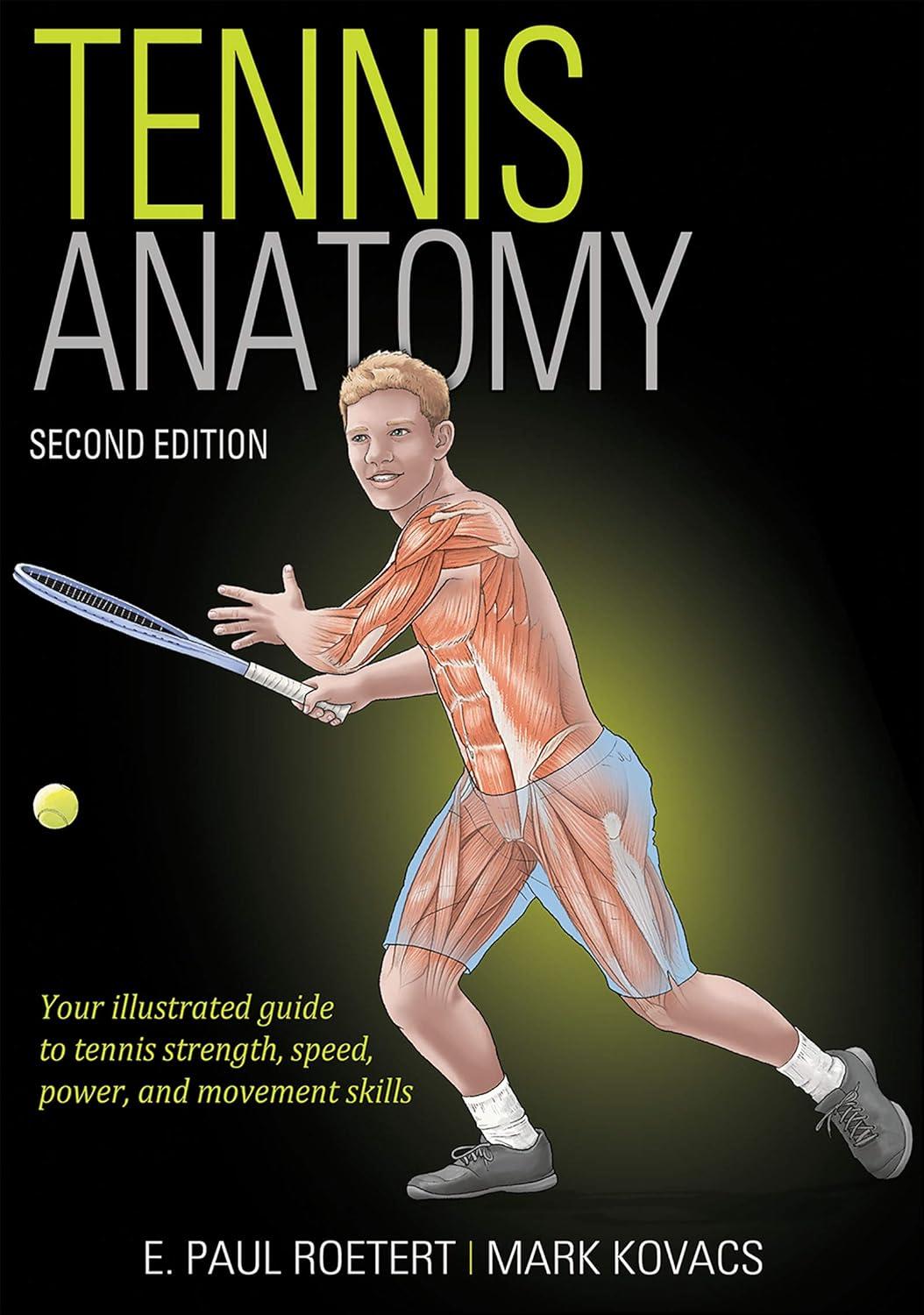
Welcome to our exploration of “Tennis Anatomy,” a dynamic resource that promises to redefine the way we approach our tennis training. As avid tennis enthusiasts, we’ve always sought ways to enhance our performance on the court-whether it’s refining our serves or perfecting our backhands. This second edition of “Tennis Anatomy” delivers just that and more, by offering a movement-based approach that not only boosts our strength, speed, and agility but also ensures we understand the physical demands of the sport.
With over 75 exercises designed specifically for tennis players, this book serves as both a guide and a valuable tool that integrates scientific knowledge with practical training routines. We found ourselves captivated by the step-by-step descriptions and vibrant anatomical illustrations that bring each exercise to life, effectively showcasing the muscles at work during our favorite shots. From lower body strengthening to core stability, every section equips us with the understanding needed to develop a holistic fitness strategy, all while keeping the unique requirements of tennis in mind.
Join us as we dive deeper into the insightful content authored by renowned experts E.Paul Roetert and Mark Kovacs, whose backgrounds with the United States Tennis Association add a layer of credibility we find especially reassuring. Together,let’s uncover how “Tennis Anatomy” can not only enhance our skills but also protect our bodies from common injuries,ensuring we’re always game-ready for our next match.
Table of Contents
Exploring the Foundations of Tennis Anatomy

When we think about improving our tennis game,we often focus on practice,drills,and perfecting our swing. However, a huge part of becoming a better player lies in understanding our own bodies. This is where Tennis Anatomy enters the picture. With this book, we realize that mastering tennis isn’t just about technique but also involves the physical mechanics of our bodies. The book offers clear insights into how our muscles work during the sport and how we can train them effectively.
Tennis Anatomy takes a movement-based approach that goes beyond just showing us the exercises. It explains the why behind each movement,allowing us to connect our physical training with actual tennis performance.We often hear about strength and agility training, but this book provides detailed steps to tackle these aspects intelligently. By understanding which muscles are targeted during specific shots, we can design our workouts to fit our unique needs as players.
As we explore the various exercises presented, we appreciate the stunning illustrations that accompany each one. These visuals do a great job highlighting the active muscles in action, making it easier for us to understand and visualize what we need to focus on while practicing. This book is especially beneficial because it not only showcases exercises related to serving, forehands, and backhands but also addresses common injuries through preventive tips and recovery advice.This comprehensive content ensures that we remain injury-free while pushing our limits.
For those of us taking our tennis seriously, the facts in Tennis Anatomy is invaluable. It speaks directly to athletes who are steadfast to enhance their performance rather than just casual weekend players. The detailed anatomical insights serve as a foundation for creating customized training plans, making workouts more efficient and effective.Whether we’re training for a regional tournament or simply aiming to elevate our skills, this book aligns with our goals.
unpacking Unique Features That Elevate Our Game
When we think about how to enhance our tennis game, we often overlook a critical aspect: understanding our bodies.Tennis Anatomy does a fantastic job of focusing on this. We’ve found that the book offers valuable insights into how specific exercises can enhance our performance. With over 75 meticulously detailed exercises, it emphasizes a movement-based approach to conditioning. This is crucial for us as we aim for that powerful serve or those precise shots that set us apart on the court.
What really sets this book apart are the stunning anatomical illustrations. They don’t just look great; they help us visualize which muscles are engaged during specific movements. It’s not enough to know how to hit a forehand; we need to understand the mechanics behind it. Each exercise is paired with a clear,step-by-step description that guides us on how to perform it correctly. This is invaluable for both players and coaches. We benefit from knowing exactly where to direct our efforts to increase strength, speed, and agility.
along with performance enhancement, we appreciate that Tennis Anatomy includes exercises aimed at injury prevention. As avid players, we certainly know the physical demands of the game can lead to injuries if we’re not careful. This book provides us with the tools to strengthen the muscles that frequently enough get overworked during matches. It really shines when it comes to creating a balanced training plan that addresses our specific needs on the court. By understanding the biomechanics at play, we can tailor our workouts to ensure we remain in peak condition throughout our seasons.
Lastly, the authors bring a wealth of experience to the table.With backgrounds in high-level coaching and sports science, they’ve distilled their knowledge into this accessible format. This is more than just a collection of exercises; it’s a comprehensive guide to understanding how our bodies function in relation to tennis. For players who take their training seriously, the information inside is both insightful and practical. We feel empowered when applying what we learn to our practice sessions, ultimately enabling us to elevate our game.
Diving Deeper into Techniques and Strategies
When we dive into “Tennis Anatomy,” we quickly realize that understanding the body is crucial for developing effective techniques and strategies. The book breaks down various muscle groups related to specific tennis strokes. each part illustrates how to strengthen these muscles, which is essential for both performance and injury prevention. We can see firsthand how this approach is vital for anyone serious about their game. By knowing which muscles are engaged during a backhand or serve, we can tailor our workouts to enhance our weaknesses and enforce our strengths.
Moreover, the comprehensive breakdown of over 75 exercises keeps things fresh and engaging. We frequently enough find ourselves looking for ways to improve our conditioning, but with the practical exercises laid out in this book, we can incorporate them into our training sessions seamlessly. By focusing on specific muscle areas, we get the chance to refine our training plans based on our personal needs and performance goals. This deep understanding allows us to link each exercise back to our playing style, ensuring that our time on the court is spent productively.
Another aspect we appreciate is the well-illustrated anatomical details that accompany the exercises. These visuals are not just eye candy; they are informative tools that facilitate our learning process. Understanding the interplay between muscles and movements makes it easier for us to implement these techniques effectively. Whether we are beginners or experienced players, having this knowledge at our fingertips can significantly enhance our performance and help avoid injuries that can sideline us for weeks.
As we delve deeper into the strategies behind each exercise, we find valuable insights into proper acceleration and deceleration mechanics. These concepts are crucial for maximizing our explosive power and efficiency on the court. the authors have outlined how lateral movements and core strengthening relate to our overall game, adding another layer to our training regimen.We can’t help but feel excited about the potential improvements just waiting for us to unlock them through disciplined practice.
“Tennis Anatomy” serves as a cornerstone for enhancing both our understanding of the sport and our physical performance. As we embrace these techniques and strategies, we not only grow as players, but we also cultivate the knowledge necessary to continue our development. By incorporating the exercises into our routine,we are setting ourselves up to not just compete but excel in the game we love.
evaluating the Impact on Our Performance
We’ve spent quite a bit of time diving into the principles laid out in Tennis Anatomy. Right off the bat, we noticed significant shifts in our training approach. This book challenges the conventional views of technique and strategy. Instead of just memorizing drills or trying to mimic the pros, it focuses on our body’s mechanics. By understanding how our muscles and movements work together, we’re not just improving our game. We’re building a solid foundation that enhances our overall performance.
Initially, we were drawn in by the book’s anatomical illustrations and detailed descriptions of each exercise.they’re easy to follow and highly informative, which leads us to tailor our workouts effectively. Rather than mindlessly going through drills, we now incorporate targeted exercises that specifically address our weaknesses. Whether it’s boosting our serve or refining our backhand, we can now devise practices that are smart, efficient, and based on solid scientific principles.This is what sets Tennis Anatomy apart.
Moreover, we appreciated how the book emphasizes injury prevention. Many of us have battled through various aches and pains, and the guidance provided here on strengthening vulnerable muscle groups has been a game changer. Understanding which muscles are engaged during specific strokes prepares us better for both training and competition. We can now identify weak points and proactively work on them. This proactive mindset is making a noticeable difference in how we approach our sessions.
Another highlight worth mentioning is the adaptability of its recommendations. We’re not always at the gym with access to the latest equipment, but the exercises are laid out in ways that allow us to modify them easily. Whether it means using everyday items like water jugs rather of weights or finding alternative surfaces for our drills,the book encourages us to seek out creative solutions. This flexibility adds to our overall experience and enriches our training sessions tremendously.
Ultimately, Tennis Anatomy has empowered us to rethink our performance. It’s not just about the drills we once knew. by focusing on biomechanics and personalized training plans, we’re not only aiming for enhancement but for mastery. The wealth of knowledge distilled in this book helps us navigate our journey as serious players with clarity and purpose. the benefits we’ve seen are tangible, and for anyone serious about tennis, this kind of transformation is invaluable.
Our Final Thoughts and Recommendations for Improvement
The information presented in Tennis Anatomy is genuinely groundbreaking for those serious about improving their game. We appreciate its clear focus on the human body, revealing how targeted exercises can enhance performance while minimizing injuries. this book does a commendable job in linking anatomical illustrations with practical exercises that are basic for all levels of players. Whether you’re a seasoned athlete or just starting, we believe understanding your body mechanics through this approach is invaluable.
However, there is room for improvement in how the material is presented. Many readers, including us, noted that while the exercises are well-explained, the organization could be more intuitive. It would be helpful for it to lead with individual strokes, detailing relevant exercises for each rather than presenting exercises first.This structural change could enhance the book’s usability for eager players looking to improve specific aspects of their game. Additionally, providing workout guidelines or suggested routines would add significant value, especially for those who may not have the time to sift through all the exercises.
Another consideration is the accessibility of the exercises. Even though it’s great that the authors offer alternatives for common equipment, beginners or casual players might feel overwhelmed by the sheer volume of information. It would benefit from a beginner-kind section that breaks down the essentials,allowing readers to ease into the more complex content. By making it less daunting, more players could discover the rewards of the science behind their game.
Lastly, we reccommend considering an expansion on the recovery techniques discussed in the book.While some insights are provided, having a dedicated section focusing on injury prevention and recovery strategies tailored for tennis players could address a significant concern for players at all levels. This addition would round out the content, ensuring readers not only learn how to play better but also how to stay healthy doing so. Tennis Anatomy is a valuable resource, but these tweaks could elevate it to even greater heights.
Customer Reviews Analysis
Customer Reviews Analysis
In our exploration of Tennis Anatomy, we’ve gathered insights from a variety of customers that reflect both the strengths and potential limitations of this product. The feedback ranges from eager endorsements to constructive criticism, and here, we summarize the key themes that emerged from the reviews.
Strengths of Tennis Anatomy
- In-depth Knowledge: several readers emphasized that the book offers profound insights into biomechanics and muscle involvement, which is crucial for anyone serious about improving their tennis game.
- Illustrative Guidance: Reviewers appreciated the clear anatomical illustrations that accompany the exercises, making it easier for users to grasp the material.
- Injury Prevention: Many customers highlighted the book’s focus on understanding the body to prevent injuries,a critical aspect for competitive players.
- Actionable Exercises: Customers noted that the book provides suggested routines tailored to various tennis strokes, which facilitates effective training regimens.
Areas for Improvement
- Target Audience Limitation: Some reviews pointed out that the book may not cater well to recreational players or those just looking to play casually, suggesting that the material is more suited for serious athletes and coaches.
- Workout Structure: A few users expressed a desire for structured workout schedules or suggestions tailored to different skill levels, indicating that a more organized approach could enhance usability.
- formatting Concerns: some feedback pointed to a preference for rearranging content to lead with specific tennis strokes before diving into the associated exercises, as this could streamline the learning process.
Overall Impression
the consensus among readers is that Tennis Anatomy is a valuable resource for those dedicated to progressing in their tennis journey. While the book excels in depth and detail, it’s clear that it is indeed most beneficial for committed athletes and coaches looking to deepen their understanding of tennis mechanics.Whether you’re a seasoned player or an aspiring coach, the insights shared in this book can significantly enhance training methodologies.
| Key Feedback | Customer Sentiment |
|---|---|
| Content Depth | positive |
| Illustration Quality | Positive |
| Injury prevention Focus | Positive |
| Audience Suitability | Mixed |
| Need for Structured Workouts | Constructive |
| Formatting Issues | Constructive |
As we conclude our analysis, it’s clear that Tennis Anatomy has carved out a niche for itself in the realm of tennis training literature, resonating strongly with serious athletes while also offering valuable insights for coaches and fitness enthusiasts. We hope this summary aids our readers in determining whether this guide aligns with their tennis training goals.
Pros & Cons
Pros & Cons of Tennis Anatomy
Pros
- Comprehensive Training Approach: Tennis Anatomy offers a movement-based approach, focusing on exercises that directly enhance on-court performance.
- Diverse Exercises: With over 75 exercises, we can target every part of the body that is crucial in tennis-from the lower body to the arms.
- Visual Learning: The full-color anatomical illustrations help us visualize muscle engagement which aids in better understanding of the exercises.
- Expert Insights: Authored by renowned experts E. Paul Roetert and Mark Kovacs, we benefit from their extensive experience in tennis coaching.
- Injury Prevention Focus: The guide includes exercises aimed at protecting against common tennis injuries, which is essential for maintaining our health and performance.
- Accessible for All Levels: Whether we’re beginners or advanced players, the well-organized content makes it easy to follow along and apply.
Cons
- Requires Commitment: The extensive training regimen might be overwhelming for those seeking a more casual approach to tennis.
- Print-Heavy Format: While the illustrations are beneficial, some may prefer a more interactive or digital-friendly learning format.
- Limited Advanced Techniques: Some advanced players may find that the book focuses more on fundamentals rather than cutting-edge techniques.
- Print Edition Length: At 240 pages, the book might potentially be cumbersome for those who prefer fast reference materials.
- Not All Exercises for everyone: A few exercises may not be suitable for every individual due to varying fitness levels or potential pre-existing injuries.
| Feature | Details |
|---|---|
| Overall Rating | 4.5 out of 5 stars |
| File Size | 128.3 MB |
| Publication Date | July 9, 2019 |
| Pages | 240 pages |
| ISBN-13 | 978-1492590613 |
In this section, we highlighted the advantages and disadvantages of “Tennis Anatomy” in a balanced manner, making it easier for our readers to weigh their options. The structured content allows for quick reference, and the table encapsulates key information effectively.
Q&A
Q&A Section for “Tennis Anatomy” Review
Q1: What makes “Tennis Anatomy” different from other tennis training guides?
A: We find that “Tennis Anatomy” stands out due to its movement-based approach to training. Unlike other books that may focus solely on drills or practice routines, this guide emphasizes strengthening the entire body in a way that directly translates to tennis performance. The over 75 exercises are specifically designed to target the physical demands of the game, making it practical for any serious player.
Q2: How are the exercises structured in the book?
A: Each exercise in “Tennis Anatomy” is presented with step-by-step descriptions and accompanying full-color anatomical illustrations that highlight the muscles in action. This makes it easy for us to understand how to perform each exercise correctly and ensures we can visualize the benefits on our bodies.
Q3: Is this book suitable for all levels of tennis players?
A: Yes, we believe “Tennis Anatomy” can benefit players at various skill levels. Whether we are beginners seeking to build a solid foundation or advanced players looking to refine our strength and agility, the detailed illustrations and comprehensive explanations cater to everyone. Moreover, the injury prevention strategies included in the book are invaluable for players at all levels.
Q4: How does the book address injury prevention and recovery?
A: One of the greatest strengths of “tennis Anatomy” is its focus on protecting our bodies from common tennis injuries. The authors provide exercises specifically aimed at injury prevention, and also vital information on proper recovery techniques. This knowledge helps us stay in peak condition and ready for the next match.
Q5: Can we expect to see immediate results from following this guide?
A: While results can vary based on individual commitment and prior conditioning, we have seen that incorporating the exercises from “Tennis Anatomy” into our training regimen can lead to noticeable improvements in strength, speed, and overall performance over time. Consistency is key!
Q6: Who are the authors and what qualifies them to write this guide?
A: “Tennis Anatomy” is authored by E. Paul Roetert and Mark Kovacs, both of whom have extensive experience with the United States Tennis Association (USTA). Their backgrounds in performance training and coaching lend credibility to the training methods presented, ensuring we are learning from true experts in the field.
Q7: Is “Tennis Anatomy” appropriate for readers under 18?
A: The book is recommended for readers aged 18 and up, mainly due to the advanced training concepts and injury prevention strategies discussed. For younger players, it’s advisable to consult a coach or guardian before following the training regimens outlined in the book.
Q8: What kinds of illustrations can we expect to see in the book?
A: Readers can look forward to stunning anatomical illustrations that depict active muscles during various movements in tennis.These visuals not only make the material engaging but also help us understand the biomechanical principles behind each exercise, deepening our connection to the training.
By addressing these common questions, we hope to provide insight into “Tennis Anatomy” and how it can elevate our tennis training experience. Whether you’re aiming to up your game or protect your body, this guide is a valuable addition to our tennis toolkit.
Seize the Opportunity
As we wrap up our review of “Tennis Anatomy,” it’s clear that this comprehensive training guide is more than just a collection of exercises-it’s a blueprint for anyone serious about enhancing their game. With its engaging anatomical illustrations and expert insights, we now have the tools we need to transform our training routine. The movement-based approach outlined within these pages encourages us to train smarter, ensuring that we not only build strength and speed but also protect ourselves from common injuries.
Whether we’re looking to hit more precise shots, serve with more power, or simply elevate our on-court performance, “Tennis Anatomy” stands out as a must-have resource. With over 75 exercises tailored specifically for tennis, this guide could very well be the game-changer we’ve been searching for.
Ready to elevate your game and dominate the competition? Don’t miss out on the opportunity to harness the power of “Tennis Anatomy.” Click below to grab your copy today and start seeing the results on the court!




Post Comment