What’s the Best Way to Cook Halibut for Perfect, Flaky Results

When it comes to seafood that combines elegant presentation with delicate, tender flesh, halibut stands out as a true star. Its mild flavor and firm texture make it a versatile choice for a variety of culinary styles, from simple pan-searing to more intricate preparations. Achieving that perfect, flaky consistency requires more than just a good recipe-it calls for understanding the right techniques and considerations to bring out its best. In this article, we’ll explore the most effective methods to cook halibut, guiding you toward consistently delicious results that showcase the fish’s natural qualities at their finest.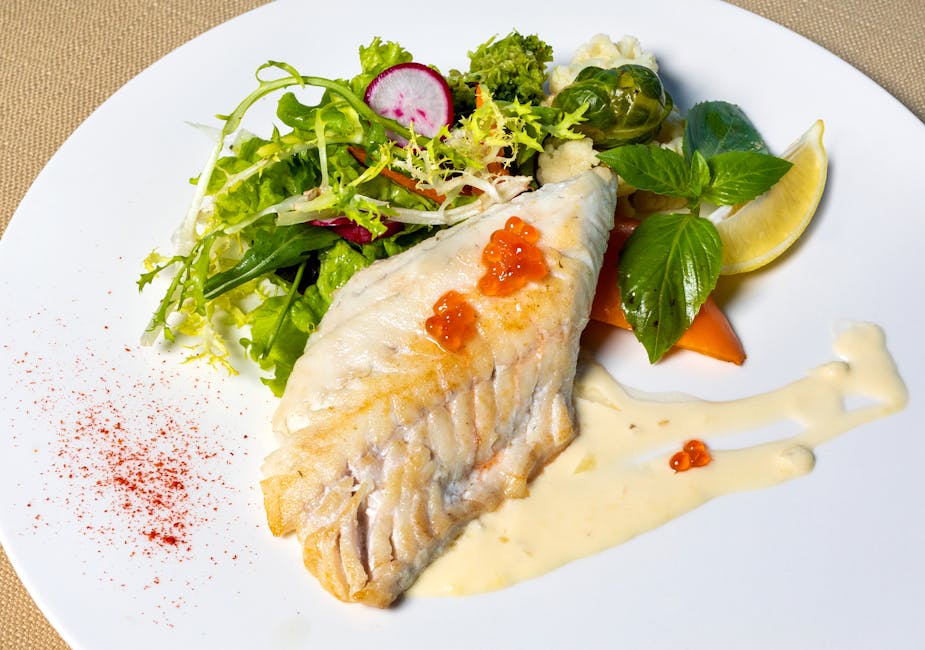
table of Contents
- Choosing the Ideal cooking Method for Tender Halibut Flakes
- Enhancing Flavor and Moisture with Proper Seasoning and Marinades
- Perfecting the Cooking Temperature and Timing for Flaky Texture
- Finishing Touches and Serving Tips to Elevate Your Halibut dish
- Q&A
- Concluding Remarks
Choosing the Ideal Cooking Method for Tender Halibut Flakes

- Halibut also known as flatfish is a popular target in the west coast states such as Alaska, California, Washington and this halibut t-shirt makes a great fishing gift, birthday gift, Father's Day gift or Christmas gift for that special fisherman!
- The design on this tee is hand drawn and is sure to please anyone that is into catching this bottom fish. Rock this funny I Like Big 'Buts halibut shirt next time you go fishing and this might just become your lucky fishing shirt!
- Lightweight, Classic fit, Double-needle sleeve and bottom hem


When figuring out the best way to cook halibut for tender, flaky results, it’s important to consider the cooking method that preserves moisture and enhances flavor. Gentle methods like baking, steaming, or poaching tend to work best because they prevent the fish from drying out or becoming tough. Baking at a moderate temperature allows the halibut to cook evenly, maintaining its delicate texture. Using foil, parchment, or a baking dish helps lock in moisture, making each flake soft and easy to eat. Also,adding a light marinade or a drizzle of lemon juice before cooking can boost flavor and keep the fish moist.
For those who prefer quick and straightforward options, pan-searing or sautéing are excellent choices. Thes methods provide a nice caramelized exterior while keeping the inside tender. the key is to avoid overcooking, which can turn the fish rubbery. Using a non-stick pan and cooking with a bit of butter or oil helps achieve this. Whichever method you choose, keep in mind that halibut’s natural mild flavor shines when cooked gently, making it easy to pair with a variety of seasonings, herbs, or sauces for perfect, flaky results.

Enhancing Flavor and Moisture with Proper Seasoning and Marinades
- Halibut also known as flatfish is a popular target in the west coast states such as Alaska, California, Washington and this halibut t-shirt makes a great fishing gift, birthday gift, Father's Day gift or Christmas gift for that special fisherman!
- The design on this tee is hand drawn and is sure to please anyone that is into catching this bottom fish. Rock this funny I Like Big 'Buts halibut shirt next time you go fishing and this might just become your lucky fishing shirt!
- Lightweight, Classic fit, Double-needle sleeve and bottom hem
To get the best results when cooking halibut, real flavor starts with good seasoning. Keep it simple-a pinch of salt, a splash of lemon juice, and some fresh herbs work wonders. Marinating the fish for about 15-30 minutes can add extra moisture and boost taste, especially if you choose citrus-based or herb-infused marinades. these help keep the halibut tender and juicy during cooking, preventing it from drying out.
Choosing the right marinades can also help introduce new flavor layers without overpowering the delicate fish. Gentle acids like lemon or vinegar break down the surface, making the fish more tender. adding a touch of garlic, olive oil, or spices enhances each bite. Remember, smart seasoning and marinade use can elevate your halibut, making each meal flavorful and moist, which is essential for perfect, flaky results.
Perfecting the Cooking Temperature and Timing for Flaky Texture
- Halibut also known as flatfish is a popular target in the west coast states such as Alaska, California, Washington and this halibut t-shirt makes a great fishing gift, birthday gift, Father's Day gift or Christmas gift for that special fisherman!
- The design on this tee is hand drawn and is sure to please anyone that is into catching this bottom fish. Rock this funny I Like Big 'Buts halibut shirt next time you go fishing and this might just become your lucky fishing shirt!
- Lightweight, Classic fit, Double-needle sleeve and bottom hem
Getting the cooking temperature just right is key to achieving that tender, flaky halibut. Overcooking can turn it dry and rubbery, while undercooking leaves it raw or soggy. To avoid this, a common method is to cook halibut at a medium-high heat, around 375°F to 400°F, whether you’re baking or pan-searing. This ensures even heat distribution without overdoing it.Keep an eye on the fish and use a reliable meat thermometer; the ideal internal temperature is about 130°F to 135°F for perfect flakiness.
Timing also plays an important role. Typically, fillets that are about 1-inch thick need around 10 to 12 minutes in the oven or 3 to 4 minutes per side when pan-searing. Thinner fillets cook faster, so watch for the edges to turn opaque and the flesh to easily flake apart with a fork. Using these temperature and timing cues helps you consistently cook halibut to a delicate, flaky texture, making your seafood dishes more enjoyable.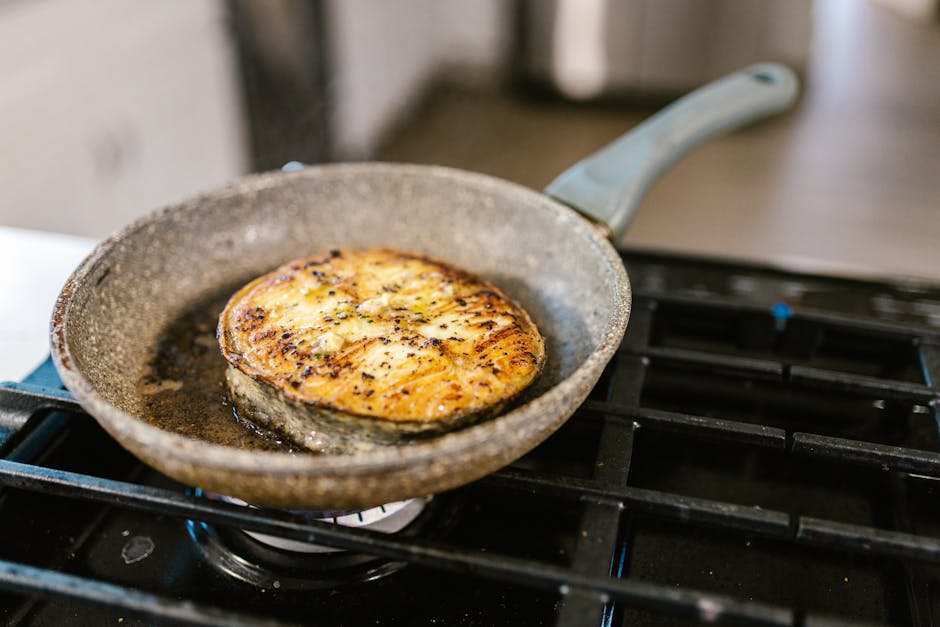
Finishing Touches and Serving Tips to Elevate Your Halibut Dish
- Halibut also known as flatfish is a popular target in the west coast states such as Alaska, California, Washington and this halibut t-shirt makes a great fishing gift, birthday gift, Father's Day gift or Christmas gift for that special fisherman!
- The design on this tee is hand drawn and is sure to please anyone that is into catching this bottom fish. Rock this funny I Like Big 'Buts halibut shirt next time you go fishing and this might just become your lucky fishing shirt!
- Lightweight, Classic fit, Double-needle sleeve and bottom hem
For the perfect presentation, consider adding a splash of fresh lemon juice or a drizzle of high-quality olive oil just before serving. These simple finishing touches brighten the flavor and make your dish more appealing. Garnishing with fresh herbs like parsley, dill, or basil also adds a pop of color and a fresh aroma that complements the delicate texture of halibut. Keeping the fish warm and moist untill serving ensures it stays flaky and tender, so cover it loosely with foil if needed.
When it comes to serving, pair your cooked halibut with complementary sides like roasted vegetables, mashed potatoes, or a light salad.These options not only enhance the flavor but also balance the meal nutritionally. For a complete U.S.-style dinner, consider serving with a chilled white wine or a crisp sparkling water. Paying attention to these small finishing touches and serving tips makes your halibut dish stand out as a restaurant-quality meal straight from your kitchen.
Q&A
Q1: What’s the ideal method to cook halibut for tender, flaky results?
A1: The best approach is gentle, even cooking methods like baking, poaching, or pan-searing. These techniques help maintain the fish’s moisture and texture, resulting in a delicate, flaky finish.
Q2: Should I marinate or season halibut before cooking?
A2: Yes, light seasoning with salt, pepper, and herbs enhances the natural flavor. Marinating briefly with lemon juice, olive oil, or herbs can also add depth but should be done sparingly to avoid overpowering the fish’s delicate taste.
Q3: How can I tell when halibut is perfectly cooked?
A3: Look for an opaque color and a firm yet moist texture. The fish should flake easily with a fork, indicating it’s done without being dry or overcooked.
Q4: What’s the best temperature to cook halibut?
A4: Aim for an internal temperature of around 130°F to 135°F (54°C to 57°C). Using a meat thermometer ensures precision and prevents overcooking.
Q5: Is it better to cook halibut with the skin on or off?
A5: cooking with the skin on helps retain moisture and provides a natural barrier, making it easier to flip and handle. the skin also crisps up nicely if pan-seared, adding texture and flavor.
Q6: Can I use the oven for cooking halibut, and what’s the best way?
A6: Yes, baking is excellent for consistent, flaky halibut. Place seasoned fillets on a lined baking sheet, drizzle with a bit of olive oil or butter, and bake at 375°F (190°C) for about 12-15 minutes, depending on thickness.
Q7: Are there any tips to prevent halibut from drying out?
A7: Absolutely. Keep the cooking time brief,avoid high heat for too long,and baste or add a bit of fat (butter or oil) during cooking.Using a cooking method like poaching, where the fish’s surroundings is moist, also helps retain moisture.
Q8: What are some creative flavor pairings to enhance perfectly cooked halibut?
A8: consider pairing with fresh herbs like dill or parsley, a squeeze of lemon, garlic butter, or a light white wine sauce.These complement the fish’s natural flavor without overwhelming it.
Q9: How long should I cook halibut for a perfect flaky texture?
A9: Usually around 8-10 minutes per inch of thickness, but always check for doneness by visual cues and texture rather than relying solely on time.
Q10: Can leftovers be reheated without losing their flaky quality?
A10: Reheat gently, preferably in a warm oven or covered Pan on low heat, to preserve moisture and avoid drying out the fish. Avoid microwave reheating if possible, as it can make the halibut tough.
Concluding Remarks
in the delicate dance of flavor and texture,mastering the art of cooking halibut ensures each bite melts effortlessly in your mouth. Whether you choose a gentle pan-sear, a tender bake, or a quick broil, remember that patience and attention to detail transform a simple fish into a culinary masterpiece. as you experiment with seasoning and techniques, your confidence will grow, making every meal a celebration of this regal fish. Ultimately, the best way to cook halibut lies in aligning your method with your personal taste, guiding you toward that perfect, flaky result you’re striving for. Happy cooking!



Post Comment